
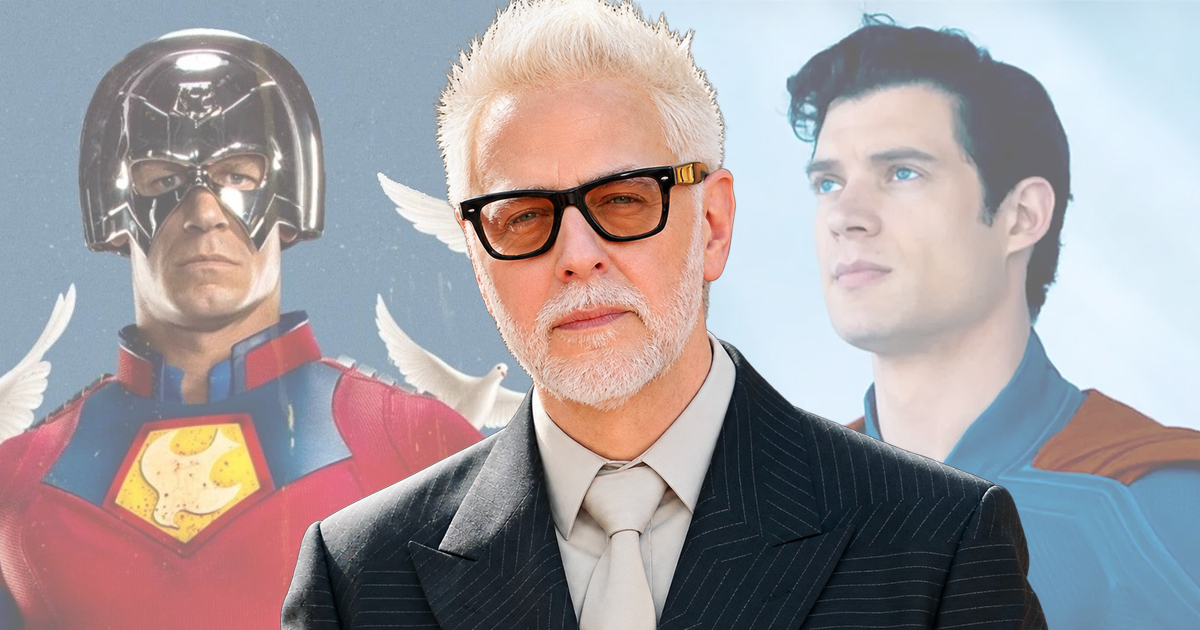
The reported removal of James Gunn and Peter Safran from DC Studios leadership, and the appointment of former Marvel Studios executive Jeremy Latcham, raises questions about the future of the DC Universe. Beyond the leadership shake-up, the change invites a closer examination of the creative decisions that shaped Gunn’s tenure and whether DC Studios lost sight of the characters that made the franchise successful in the first place.
Gunn arrived at DC Studios with an ambitious plan to rebuild a cinematic universe that had struggled with inconsistent direction, divided audiences, and repeated changes in leadership. His approach emphasized a connected universe spanning theatrical films, television, and animation, with lesser-known characters playing significant roles alongside established superheroes.
While that strategy offered opportunities to distinguish the new DCU from its predecessor, it also carried risks. Rather than first establishing Batman, Wonder Woman, The Flash, and other cornerstone characters, Gunn’s plans increasingly focused on supporting players, unconventional projects, and spin-offs. The question now is whether those priorities contributed to the reported decision to move in a different direction.
A Promising Beginning Followed by Mixed Results
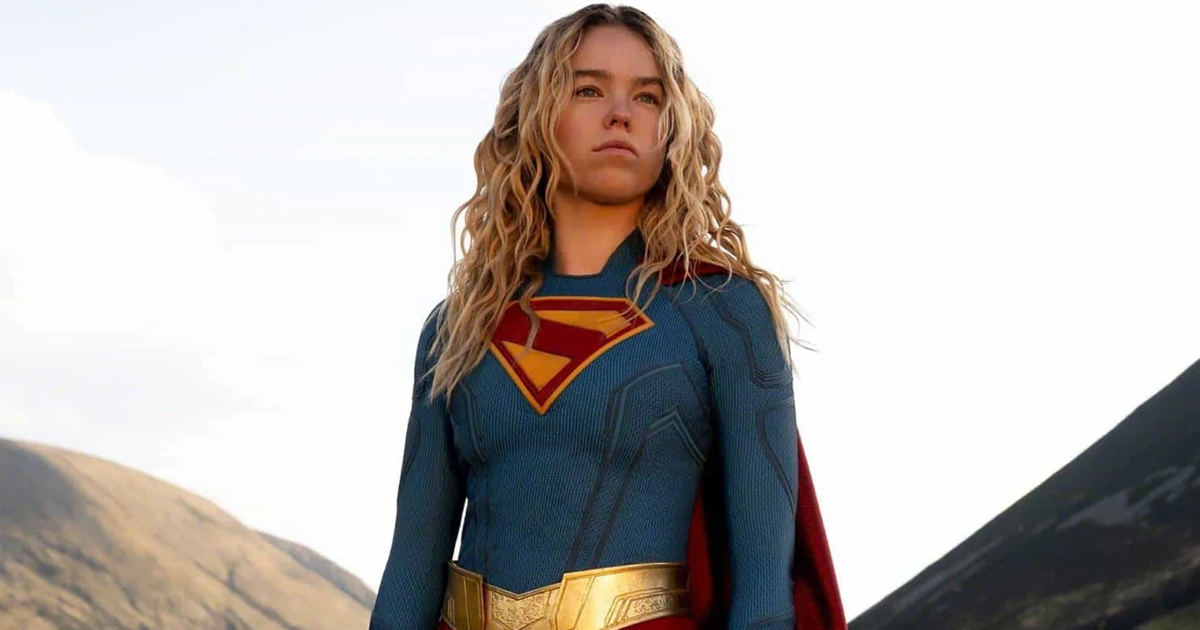
Gunn’s Superman provided the DCU with an encouraging start in 2025, earning approximately $618 million worldwide and reintroducing the Man of Steel to a new generation. However, the momentum did not carry over to the studio’s next theatrical release, Supergirl, which grossed approximately $126 million against a reported $170 million production budget. The subsequent Clayface performed more modestly, earning approximately $109 million worldwide against a significantly smaller budget of $44 million.
Those results exposed a potential weakness in Gunn’s strategy. Although Superman demonstrated that audiences were willing to embrace a rebooted DC Universe, the disappointing performance of Supergirl suggested that interest in one established superhero did not automatically translate into enthusiasm for the broader franchise.
Making Supergirl the DCU’s second theatrical release was an especially questionable decision. The character certainly deserved an opportunity to headline a film, but introducing her so early, before Superman’s corner of the universe had been more fully developed, was a gamble. A Batman or Wonder Woman film might have provided a stronger commercial foundation before expanding into characters with less proven box-office appeal.
The Hal Jordan Decision
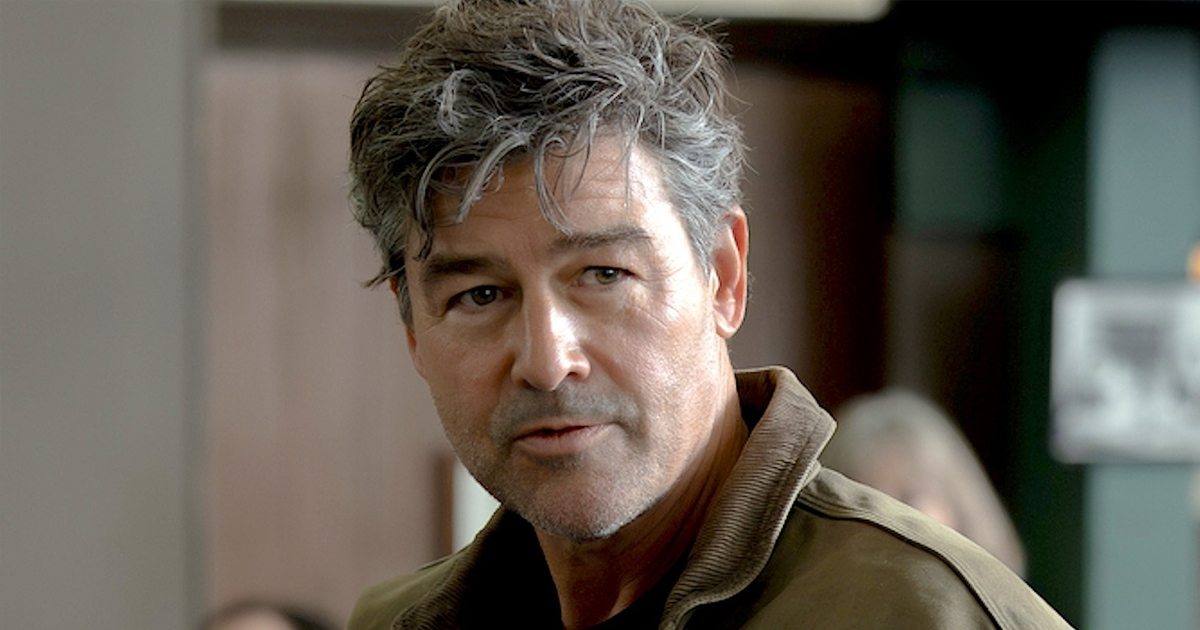
One of the more controversial creative choices was the handling of Hal Jordan in Lanterns. Kyle Chandler delivered one of the DCU’s strongest performances as the veteran Green Lantern, bringing credibility and experience to a character who had long deserved a proper live-action redemption following the poorly received 2011 Green Lantern film.
Killing off Jordan eliminated an opportunity to further explore that interpretation of the character. While the decision may have served the story and allowed the franchise to move forward with John Stewart, it also removed a recognizable hero before audiences had much opportunity to become invested in his place within the larger DCU.
The issue is not that major characters should be protected from death. Rather, in a newly established cinematic universe, eliminating a foundational member of the Green Lantern mythology so early raises questions about long-term planning and whether DC Studios was sacrificing valuable characters for immediate dramatic impact.
Jimmy Olsen, Gorilla Grodd, and Questionable Priorities
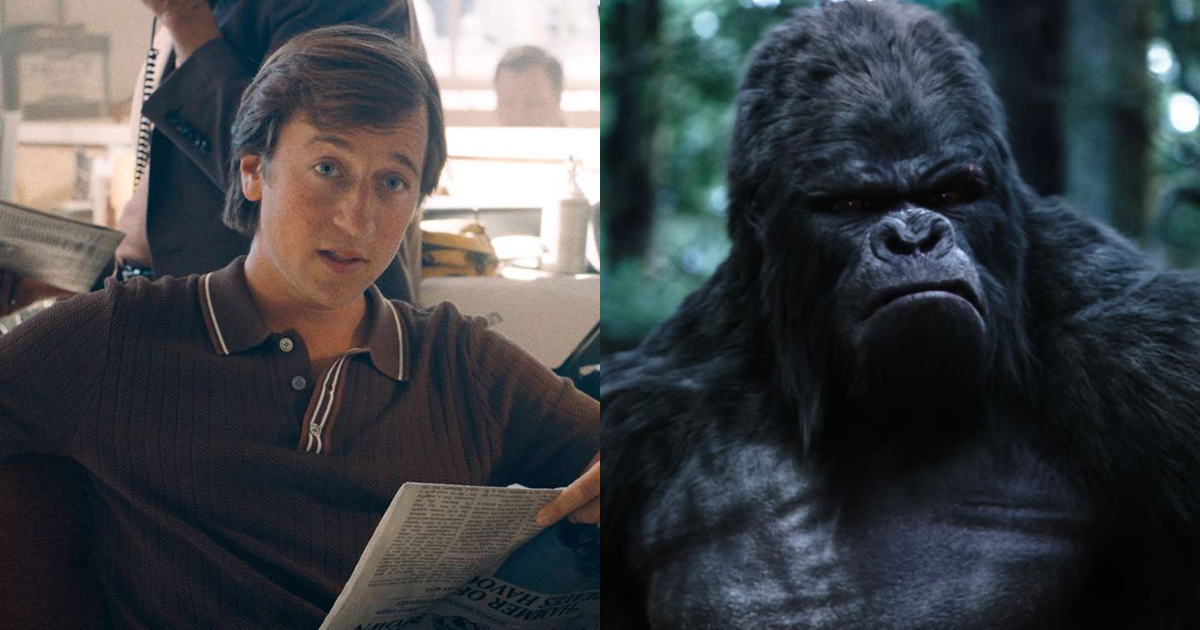
Another example of DC’s unusual priorities is The People v. Gorilla Grodd, an eight-episode HBO Max series featuring Skyler Gisondo as Jimmy Olsen and Jimmy Tatro as Gorilla Grodd. The project has already completed filming and is scheduled for release in 2027.
Gisondo’s Jimmy Olsen was a welcome addition to Superman, but giving the character his own television series before several of DC’s most recognizable superheroes have been properly established seems premature. Supporting characters can enrich a shared universe, but they should not become the primary focus while major franchises remain underdeveloped.
The introduction of Gorilla Grodd is equally puzzling. As one of The Flash’s most recognizable adversaries, Grodd has an established place in DC mythology, yet the new DCU has not properly introduced its version of the Scarlet Speedster. Introducing one of his major villains through a Jimmy Olsen series may be an unconventional creative choice, but it also illustrates the larger problem with Gunn’s approach.
There is nothing inherently wrong with experimenting with lesser-known characters. Gunn demonstrated his ability to do exactly that with Marvel’s Guardians of the Galaxy. However, DC’s current circumstances are different. The studio is attempting to rebuild an interconnected franchise, and audiences still have little understanding of where several of its most important superheroes fit into that universe.
Too Many Spin-Offs, Not Enough Foundational Heroes
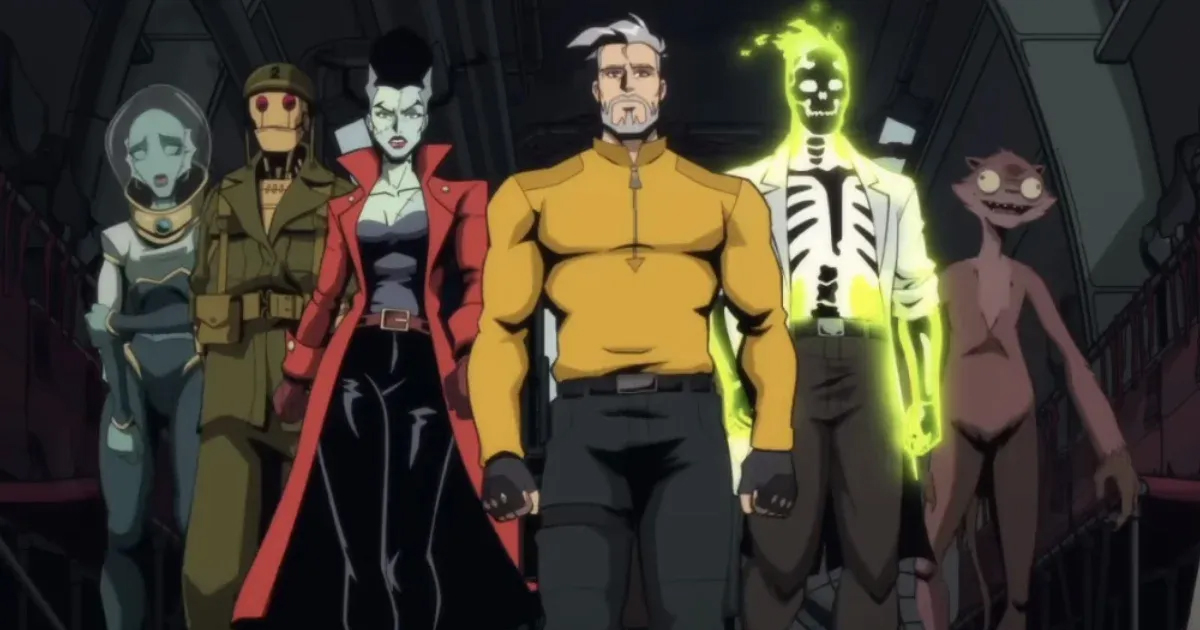
Gunn’s enthusiasm for unconventional characters was evident from the beginning. Creature Commandos, Peacemaker, and projects centered on lesser-known DC personalities offered opportunities to explore different genres and storytelling styles. Yet prioritizing a second season of Creature Commandos and developing projects involving characters such as Poison Ivy invites criticism when Batman, Wonder Woman, The Flash, Green Arrow, and Shazam have yet to receive clear, fully developed roles in the new continuity.
Batman presents a particularly complicated situation. Robert Pattinson’s version of the character remains active in a separate continuity, with The Batman Part II moving forward. However, the DCU’s own Batman has yet to make his theatrical debut, leaving one of the company’s most valuable characters absent from the shared universe that Gunn was tasked with building.
Wonder Woman faces similar uncertainty. Despite being one of DC’s most recognizable heroes, she has not been established in the rebooted universe. The Flash, Green Arrow, and Shazam also remain without clearly defined futures, even as DC continues expanding its roster of supporting characters.
The concern is not that these lesser-known characters lack storytelling potential. It is that DC Studios appeared increasingly interested in expanding the universe before establishing its foundation. Audiences should not need to follow multiple streaming series and supporting-character spin-offs to understand a franchise whose biggest attractions remain largely absent.
Jeremy Latcham and a Potential Shift in DC’s Direction
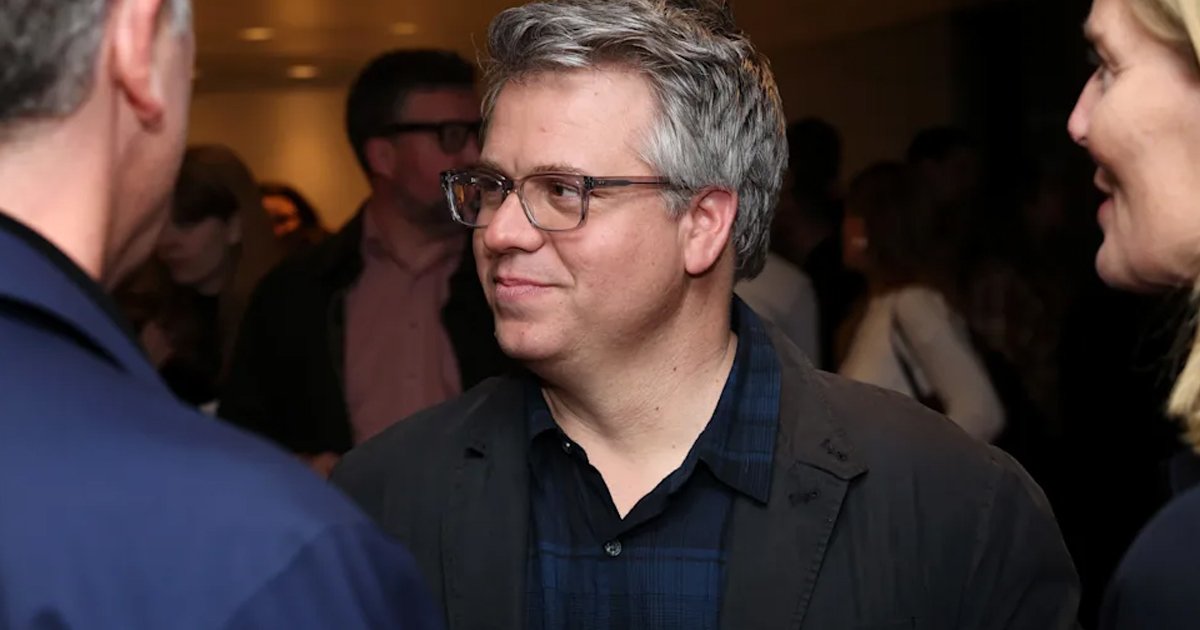
The appointment of Jeremy Latcham suggests that Skydance may be looking for a different approach to managing DC Studios. Latcham brings considerable experience from Marvel Studios, where he helped develop films including Iron Man, The Avengers, Guardians of the Galaxy, and Spider-Man: Homecoming. His involvement in the early Marvel Cinematic Universe gives him firsthand experience building a successful interconnected superhero franchise.
However, Latcham’s more recent work and publicly expressed beliefs raise another question: Could DC Studios be moving toward more traditional, family-oriented storytelling?
Latcham has openly discussed his Christian faith and its influence on his approach to filmmaking. His association with Wonder Project, which produces faith- and values-oriented entertainment, and his involvement with the family comedy The Breadwinner reflect his interest in stories emphasizing redemption, family, and broader audience appeal.
During a June 2026 appearance on The Bible Bros Podcast, Latcham discussed his desire to create entertainment with deeper personal meaning and expressed support for films and television programs that reinforce faith and family values. He has also described considering whether his grandmother would enjoy Marvel’s films as a way of evaluating their appeal beyond dedicated comic-book audiences.
Those views could align with the broader direction of Paramount and Skydance under David Ellison, whose leadership has attracted attention for its political and cultural positioning. Latcham’s appointment may signal an interest in more accessible, family-oriented entertainment, although there is currently no confirmation that Skydance intends to impose a religious or politically conservative creative direction on DC Studios.
That distinction is important. Latcham’s personal religious beliefs do not necessarily dictate how he will approach characters such as Batman, Superman, or Wonder Woman. His Marvel experience also demonstrates a willingness to work on films with varying tones, themes, and audiences. Nevertheless, his appointment introduces the possibility of a philosophical shift away from some of Gunn’s more irreverent and adult-oriented storytelling.
What DC Studios Needs to Do Next
According to a November 10 report from TheWrap, industry insiders expect Latcham to face a mandate from Ellison to bring the Justice League back to theaters as quickly as possible. If accurate, that would represent a significant change in priorities and a recognition of the importance of DC’s most recognizable characters.
The immediate challenge is determining how much of Gunn’s existing universe should remain intact. Man of Tomorrow is scheduled for July 9, 2027, while The Batman Part II is also moving forward in its separate continuity. Meanwhile, projects such as Creature Commandos Season 2 and The People v. Gorilla Grodd are already far enough along that Gunn’s creative influence will continue after his departure from studio leadership.
Starting over yet again would risk further alienating audiences already frustrated by DC’s repeated reboots. A more practical approach would be to preserve what has worked, including David Corenswet’s Superman, while accelerating the introduction of Batman, Wonder Woman, The Flash, and the other characters necessary to establish a recognizable Justice League.
The studio must also find a balance between creative experimentation and commercial expectations. Lesser-known characters and unconventional stories should remain part of DC’s future, but they should complement the major franchises rather than appear to take precedence over them.
Ultimately, Gunn’s greatest miscalculation may not have been any individual film or television series. It may have been attempting to build an expansive shared universe without first giving its most important heroes the attention they deserved.
DC Studios has some of the most recognizable fictional characters in entertainment history. It should not be difficult for audiences to understand who the central figures of its cinematic universe are supposed to be. Yet several years into the reboot, that question remains surprisingly difficult to answer.
Jeremy Latcham now inherits both the opportunities and complications of Gunn’s ambitious plans. Whether his leadership results in a more commercially focused DCU, a shift toward family-friendly storytelling, or another significant restructuring remains to be seen. What seems increasingly clear is that DC Studios needs a more focused strategy, one that puts its biggest heroes at the center before expanding into every corner of its comic-book universe.