
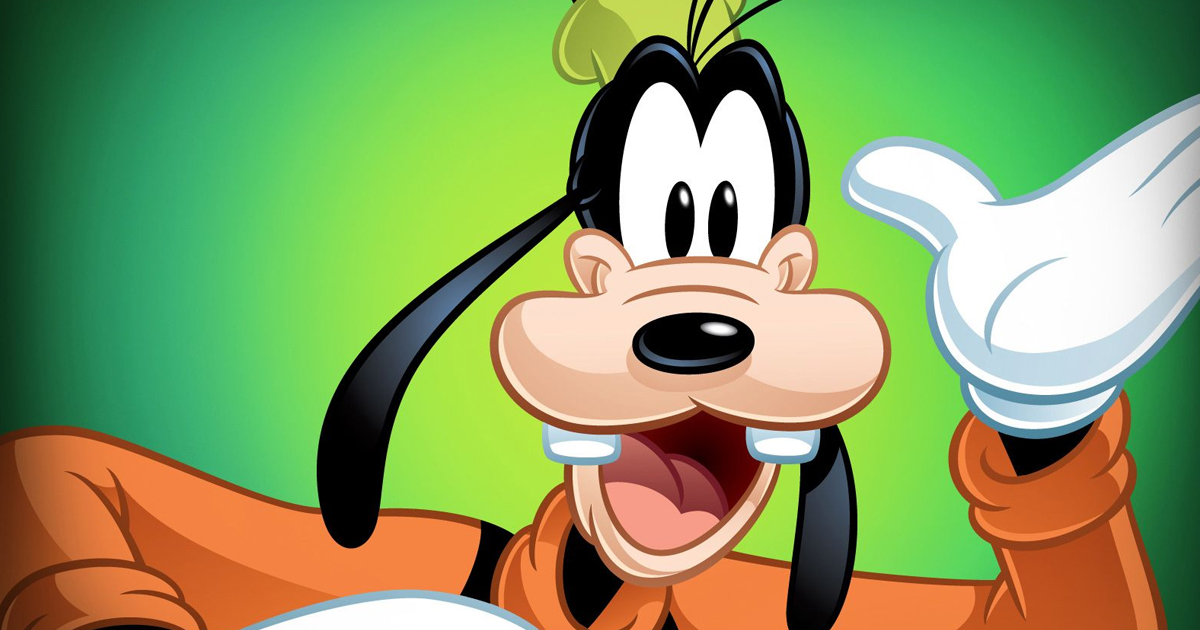
For nearly a century, Goofy has been one of Disney’s most recognizable characters, known for his clumsiness, distinctive laugh, and good-natured personality. However, a description of the character written by one of Disney’s early animators reveals a troubling connection to the racial stereotypes that were prevalent in American entertainment during the 1930s.
In 1934, Disney animator Art Babbitt wrote a character analysis intended to help his fellow animators better understand Goofy’s personality. Among the various traits he attributed to the character was a description rooted in racist portrayals of Black Americans. While the document is authentic, the history behind Goofy’s creation is more complicated than the suggestion that he was originally conceived as a racial caricature.
Art Babbitt’s 1934 Description of Goofy
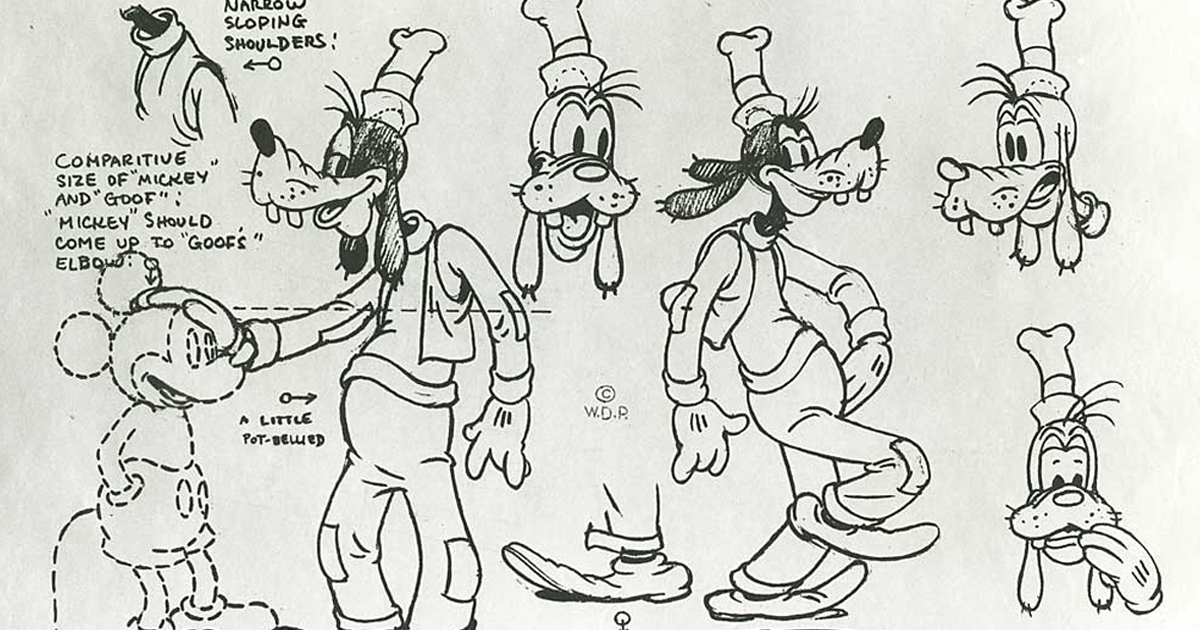
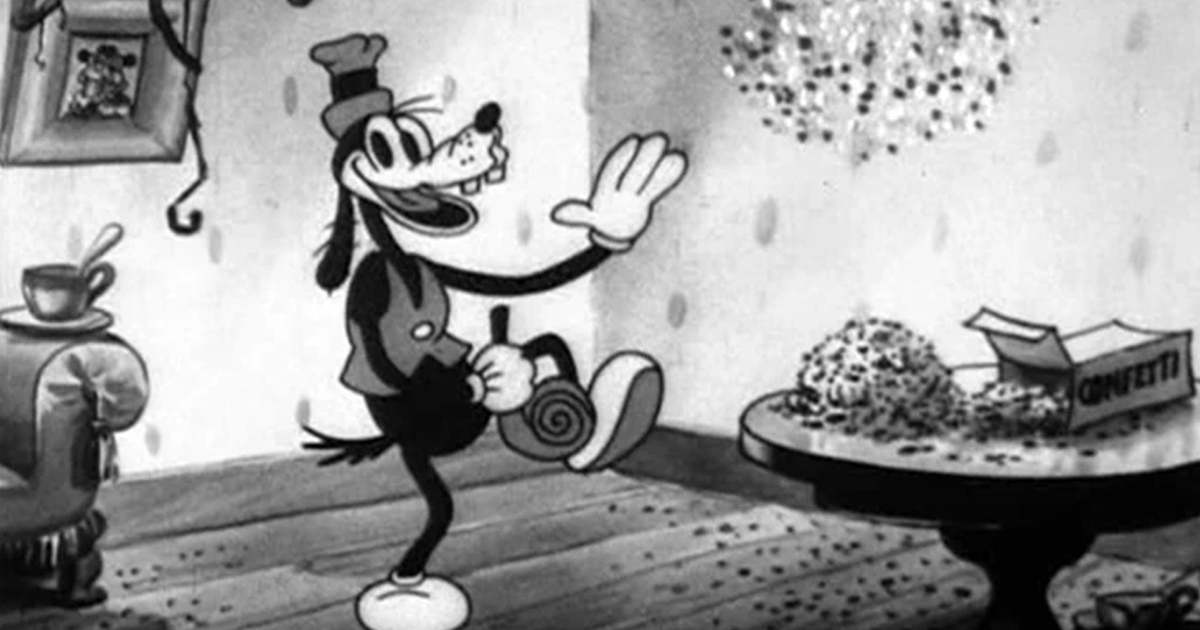
Goofy made his first appearance in Disney’s 1932 animated short Mickey’s Revue, although he was originally known as Dippy Dawg. Voiced by Pinto Colvig, the character appeared as an audience member whose loud, distinctive laugh repeatedly interrupted a musical performance. The character gradually evolved into the Goofy audiences recognize today, with animator Art Babbitt playing an important role in establishing his personality.
In 1934, Babbitt wrote a document titled Analysis of the Goof, intended to help Disney’s animators better understand the character and maintain consistency in his behavior and mannerisms. The document was later published in the Spring 1974 issue of the British film magazine Sight and Sound. In the analysis, Babbitt described Goofy as a combination of several personality types, including an optimist, a gullible Good Samaritan, a half-wit, and, in his words, a “shiftless, good-natured colored boy.”
The description is particularly revealing when considered within the historical context of American entertainment during the 1930s. The term “shiftless” was frequently associated with racist portrayals of Black Americans as lazy, unintelligent, and lacking ambition. Similarly, the depiction of Black people as perpetually cheerful despite difficult circumstances was a recurring feature of minstrel shows and other popular entertainment throughout the 19th and early 20th centuries.
Such stereotypes were used to portray Black Americans as objects of amusement, often minimizing the realities of discrimination and inequality. Babbitt’s use of this language demonstrates that at least some of the racial stereotypes prevalent in American entertainment influenced how he understood Goofy’s personality. However, that does not necessarily mean Goofy was originally created to represent Black people.
Was Goofy Originally Intended as a Racial Caricature?
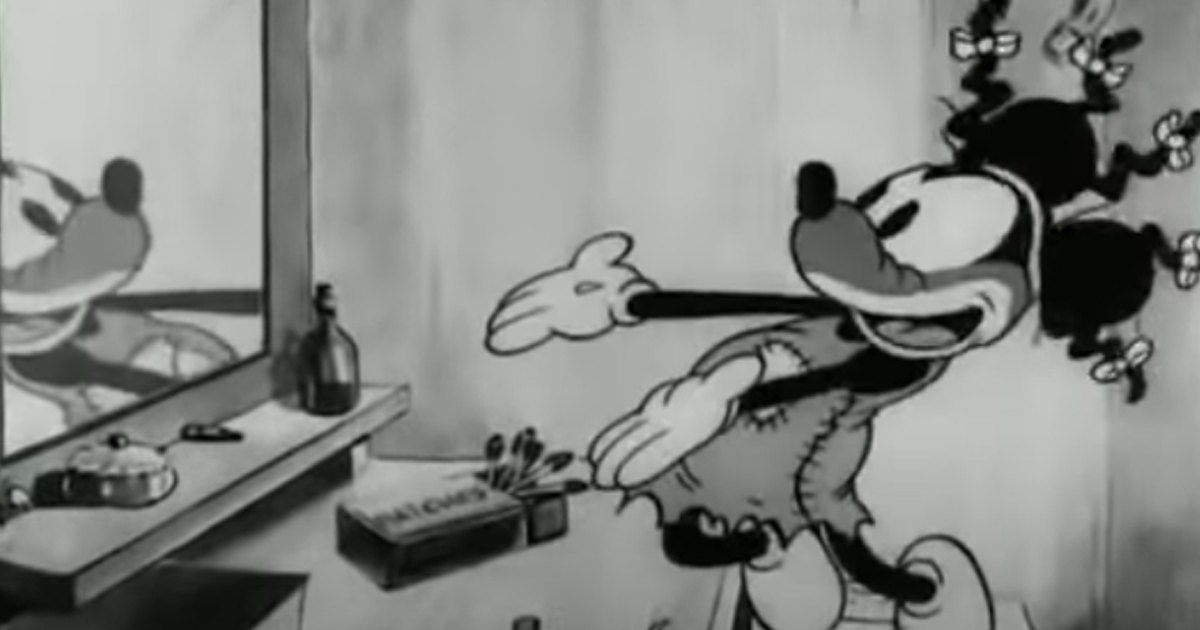
The distinction between Goofy’s creation and the subsequent development of his personality is important. Goofy debuted in 1932, two years before Babbitt wrote his character analysis. Although Babbitt helped refine the character, he was not solely responsible for creating him.
In a 1979 interview, Babbitt discussed his involvement in developing Goofy’s personality, explaining that the character already existed when he began working to establish more consistent behavioral characteristics. Consequently, the 1934 document provides evidence of racial stereotypes influencing Goofy’s development, but it does not establish that the character was originally conceived as a caricature of Black Americans.
There is also a broader historical context to consider. Early American animation borrowed extensively from vaudeville, slapstick comedy, theatrical performances, and minstrel traditions. Many animated characters incorporated exaggerated physical movements, facial expressions, and comedic behaviors that originated in those forms of entertainment.
Blackface minstrelsy, in particular, had an extensive influence on American popular culture. Performers frequently portrayed Black people through exaggerated stereotypes involving speech, intelligence, behavior, and physical appearance. These influences extended into early animation, where racial caricatures were commonplace.
However, the suggestion that every early Disney character was specifically based on minstrel performances is an overgeneralization. While the influence of these traditions is well documented, the origins of individual characters varied considerably. Goofy’s history is better understood within this broader entertainment landscape rather than as definitive evidence that Disney deliberately created him to represent a particular racial group.
How A Goofy Movie Changed the Character’s Cultural Identity
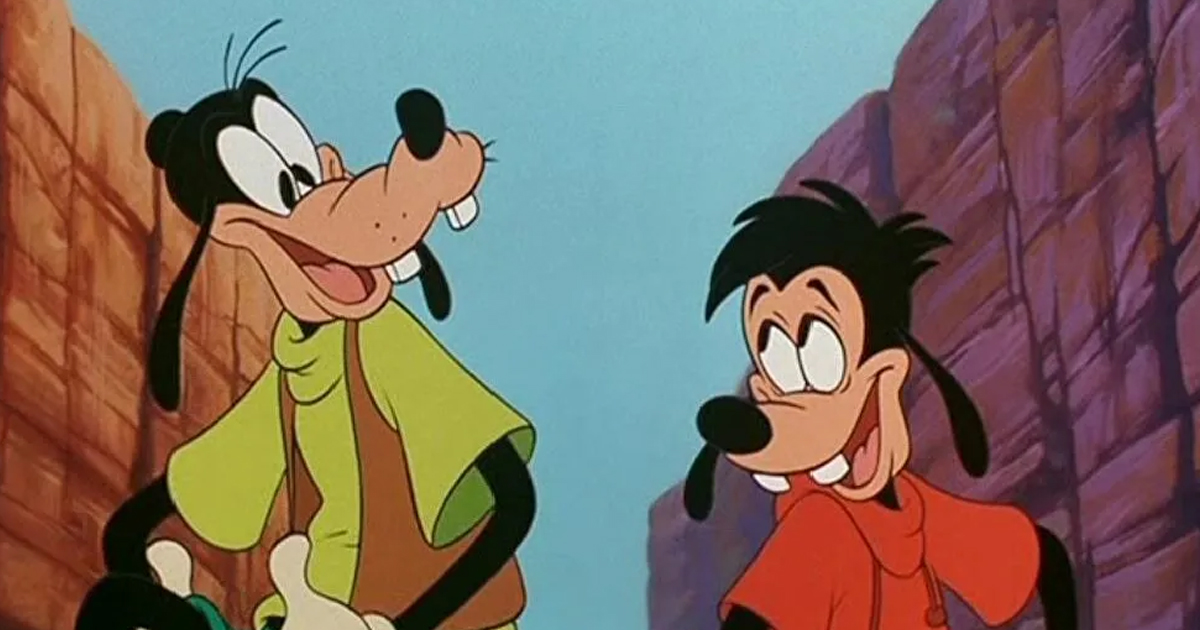
More than six decades after Goofy’s debut, Disney released A Goofy Movie in 1995, introducing the character to a new generation and giving him a more developed emotional identity. Directed by Kevin Lima, the film follows Goofy as he attempts to reconnect with his teenage son, Max, during a cross-country road trip. While Goofy had traditionally served as comic relief, the film explored his responsibilities as a father and his sometimes difficult relationship with his son.
Although A Goofy Movie received mixed reviews upon its initial release, it subsequently developed a devoted following, particularly among Black American audiences. Much of that connection has been attributed to the film’s music, themes of family and identity, and its portrayal of Max as a teenager navigating adolescence while trying to establish independence from his father.
The film’s soundtrack incorporated contemporary R&B influences, most notably through the fictional pop star Powerline, whose singing voice was provided by musician Tevin Campbell. Songs such as “Stand Out” and “I 2 I” became closely associated with the film and helped distinguish it from other Disney animated productions of the period.
The cultural significance of A Goofy Movie has since become a subject of academic discussion. In 2021, scholar A. Joseph Dial examined the film’s relationship with Black audiences in an academic article titled The Blackest Disney Movie of All Time!: A Goofy Movie and the Production of Film Blackness.
The film’s place in Black popular culture was also explored through satire in the 2022 Atlanta episode “The Goof Who Sat by the Door.” Presented as a fictional documentary, the episode imagines an alternate history in which a Black Disney executive was responsible for the film’s creation. Although the episode is fictional, its premise reflects the cultural association that developed between A Goofy Movie and Black audiences.
Director Kevin Lima has also acknowledged the film’s unexpected cultural legacy, a subject revisited in the 2025 documentary Not Just a Goof, which examines the production and enduring popularity of the animated feature.
Understanding Goofy’s Complicated History
Babbitt’s character analysis offers an opportunity to examine how racial stereotypes influenced American animation during its formative years. There is no disputing that the animator used a racist description when outlining Goofy’s personality in 1934. The document is authentic, and its language reflects stereotypes that were deeply embedded in American popular entertainment at the time.
What remains less certain is whether those stereotypes were fundamental to Goofy’s original creation or represented one of several influences incorporated into his personality as the character developed. The distinction is significant because Babbitt’s analysis was written after Goofy had already appeared on screen.
At the same time, the character’s later cultural evolution demonstrates how audiences can develop connections with fictional characters that differ considerably from their creators’ original intentions. In Goofy’s case, a character whose early development included language drawn from racist stereotypes eventually became the central figure in a film embraced by generations of Black viewers.
Nearly a century after his debut, Goofy’s history reflects both the troubling influences present in early American animation and the ways popular culture can acquire new meaning over time. Although Babbitt’s words provide a documented connection between Goofy’s development and racial stereotypes, they do not tell the entire story of how the character was created or how audiences have come to identify with him.