
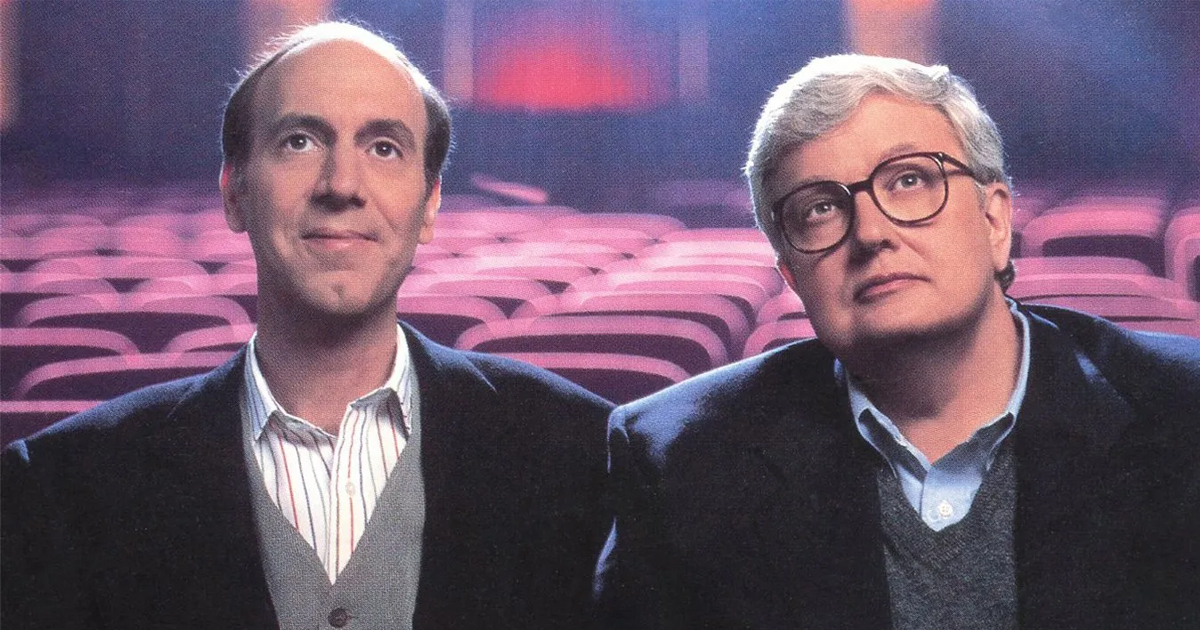
Two of the most recognizable figures in film criticism are getting a permanent tribute in the city they called home. Chicago is planning a life-size bronze sculpture honoring Gene Siskel and Roger Ebert, the longtime television critics whose spirited debates and signature “Two Thumbs Up” rating system became an enduring part of movie culture.
The sculpture, appropriately titled Siskel and Ebert: Two Thumbs Up, will be installed at Prudential Plaza in downtown Chicago, located at 130 E. Randolph St. The 6-foot-5-inch artwork will depict the critics standing side by side, each giving their familiar thumbs-up gesture. Two metal theater seats positioned in front of the figures will allow visitors to sit and pose for photographs alongside the legendary duo.
According to The Associated Press, the project is expected to be completed by early 2028 and will be created by Illinois sculptor Preston Jackson, a professor emeritus at the School of the Art Institute of Chicago.
The effort is being spearheaded by producer Pam Kasper, who has spent the past two years working with director Michael Bonfiglio on a documentary about Siskel and Ebert. Kasper was inspired to pursue the tribute after visiting a statue of Ebert outside the Virginia Theatre in Champaign, Illinois.
Despite becoming nationally recognized television personalities, both critics remained closely connected to Chicago throughout their careers. Siskel served as the Chicago Tribune’s principal film critic for 30 years, while Ebert spent 46 years reviewing movies for the Chicago Sun-Times.
Kasper hopes to raise approximately $230,000 to fund the sculpture, working with Chicago Gateway Green to secure corporate sponsorships and public donations. A Hollywood memorabilia auction will also contribute to the fundraising effort, featuring items such as a cast-signed apron from The Bear, a Caddyshack lobby card autographed by Bill Murray, and costume renderings from Mad Men.
Siskel and Ebert first joined forces on television in 1975 with Opening Soon at a Theater Near You, a locally produced Chicago movie review program that would eventually evolve into the nationally syndicated Sneak Previews. Their partnership continued through subsequent programs, including At the Movies and Siskel & Ebert.
Their format was relatively simple: two newspaper critics discussing the week’s new releases, frequently disagreeing about their merits. What distinguished the program was the chemistry between its hosts, whose occasionally heated arguments could be as entertaining as the films they were reviewing.
The pair became especially famous for their thumbs-up/thumbs-down rating system. A movie receiving the coveted “Two Thumbs Up” endorsement could feature the distinction prominently in its advertising, giving the critics considerable influence over moviegoers and the film industry.
Although their disagreements sometimes appeared personal, Siskel and Ebert shared a mutual respect for cinema and believed that movies deserved thoughtful discussion. Their television partnership helped bring film criticism to a mainstream audience at a time when professional movie reviews were largely associated with newspapers and magazines.
Siskel died in February 1999 at age 53 following complications from brain surgery. Ebert continued reviewing films and hosting television programs with other critics, most notably Richard Roeper, before his death in April 2013 at age 70.
Ebert also became the first film critic to receive the Pulitzer Prize for Criticism in 1975, further establishing the profession’s place in American cultural journalism.
Their influence can still be felt in contemporary movie criticism, particularly through online review platforms, video essays, podcasts, and social media discussions that encourage audiences to debate films and share their opinions.
The upcoming Chicago sculpture is intended to recognize not only their contributions to cinema but also their commitment to their hometown. For Kasper, the tribute represents an opportunity to introduce a new generation to two personalities who helped change the way audiences talk about movies.